The Bonaire Hotel and Tourism Association (BONHATA) reports that Bonaire reached an important recovery milestone in stay-over tourism in 2025. The average hotel occupancy rate reached 66%, equal to the pre-COVID level of 2019, though still below the Caribbean average. This is shown by recent analyses based on performance data submitted by accommodations affiliated with BONHATA.
Strong revenue growth driven by higher room rates
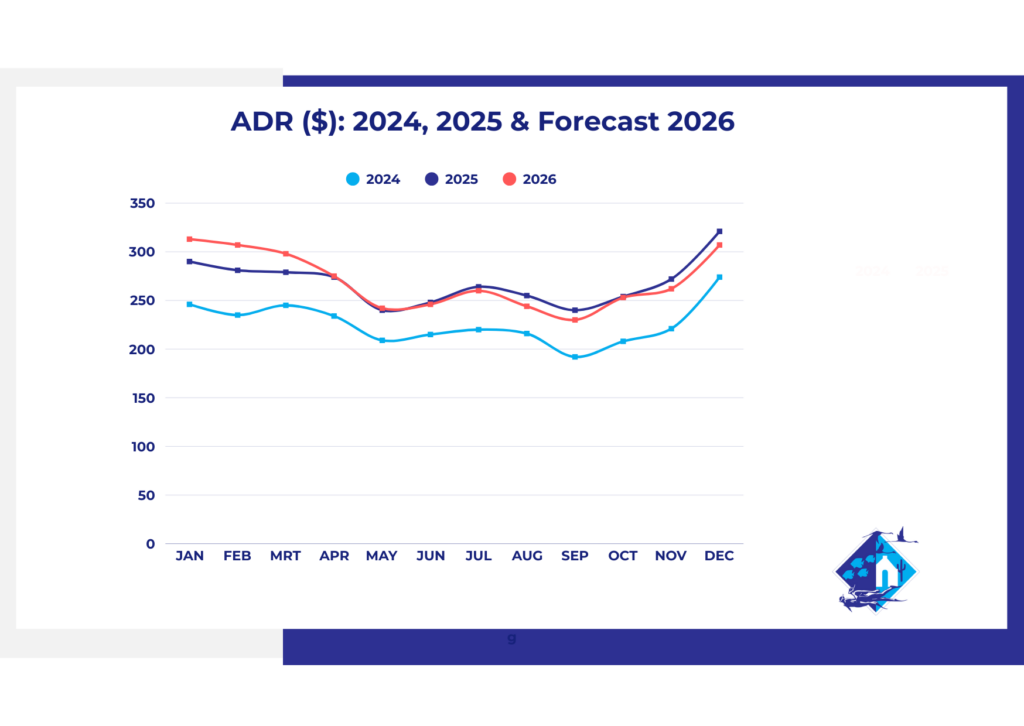
Compared to 2024, the average occupancy rate increased from 62% to 66%. At the same time, the Average Daily Rate (ADR) rose from USD 226 to USD 268 (+19%). As a result, Revenue per Available Room (RevPAR) increased from USD 140 to USD 177 (+26%). This development underscores that the sector is managing pricing and revenue more deliberately and strategically.

Seasonal differences remain a structural challenge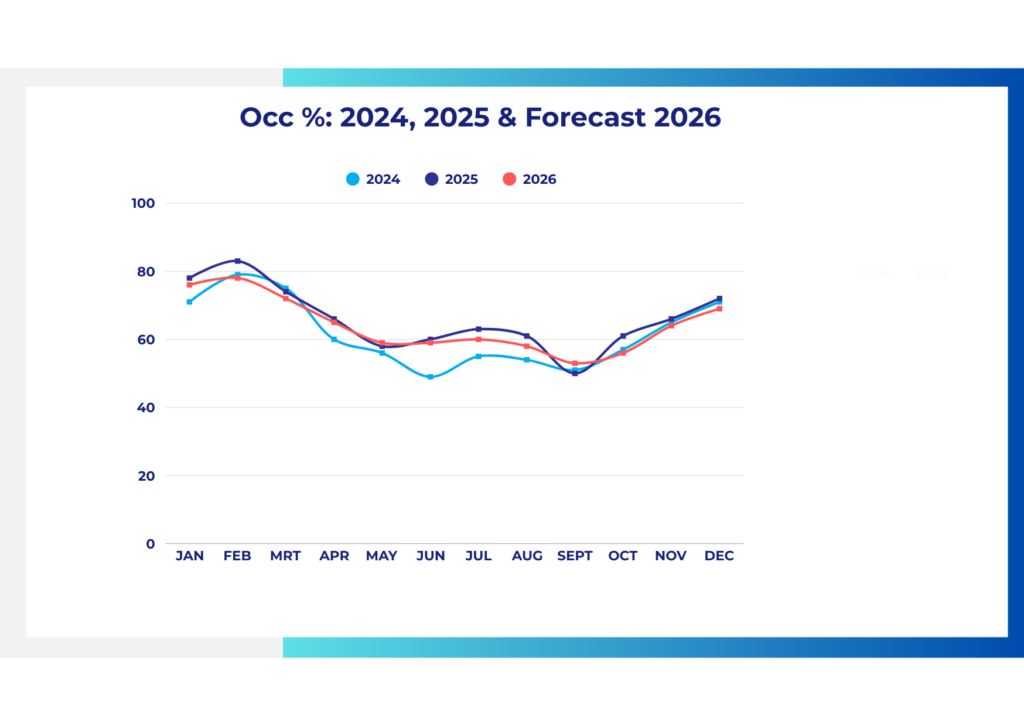
The positive results in 2025 were mainly driven by strong performance in the first and fourth quarters. The second and third quarters, by contrast, fell short of expectations. As a result, seasonal distribution remains an important point of attention for the sector.
Outlook 2026: expected decline and additional pressure on the summer months
For 2026, current forecasts almost certainly point to a decline in the average occupancy rate to approximately 64%. A key cause is the expected 17% reduction in available airlift during the high season. This tightening of the market is also expected to put downward pressure on room rates, which will likely result in a lower RevPAR compared to 2025. In particular, the period from April through September currently shows fewer bookings, which may place additional pressure on the mid and summer seasons.
Venezuela situation and Q1 2026: additional external uncertainty
Recent geopolitical tensions surrounding Venezuela and broader regional security developments constitute an additional external factor that may influence travel behavior and air traffic in the first quarter of 2026. Although no directly measurable negative impact is currently visible for Bonaire, such tensions may lead to adjustments in flight routes, operational disruptions, and increased hesitation among travelers.
Healthy growth in stay-over tourism requires better distribution
The number of stay-over tourists on Bonaire is expected to have increased in 2025 to 199,120 visitors, a growth of approximately 9.7% compared to 2024. This growth was mainly visible during the high season and is largely attributable to additional airlift from the U.S. market. Additional capacity from the Dutch market, by contrast, did not result in further growth; there has even been a slight decline in visitor numbers. Due to the near-complete loss of the South American market and the departure of JetBlue, achieving a balanced distribution of visitors throughout the year remains a challenge. This results in persistent seasonal peaks during the high season and under-occupancy outside of it.
Strategic direction: distribution and collaboration remain essential
Recent performance confirms the principles of the Strategic Tourism Master Plan: further development of tourism does not require more accommodations, but rather targeted marketing, a clear vision for improved distribution, strengthening of the product offering, and closer collaboration within the sector.
BONHATA emphasizes that, given the international context and changing external conditions, intensive cooperation between the government, TCB, airline partners, and accommodations is crucial to safeguarding Bonaire’s attractiveness and economic stability in the long term.